Why Metal Business Cards Are Making a Comeback in 2026
Business networking has spent the better part of a decade drifting toward screens. Digital contact sharing, QR codes, and app-based introductions promised to make the paper business card obsolete. Yet walk into any conference hall, client meeting, or industry mixer this year and you’ll notice something unexpected: physical cards are not just surviving, they’re getting more attention than ever. The difference is that the card itself has changed.
The Digital Fatigue Driving a Return to Physical Branding
After years of near-constant screen time, professionals are showing real fatigue with digital-only interactions. Swapping phone numbers through an app or scanning a QR code is fast, but it’s also forgettable. There’s no texture, no weight, nothing that lingers in a pocket or on a desk as a physical reminder of a conversation. This fatigue has quietly fueled a broader shift back toward tactile, physical branding, from packaging design to printed materials to the humble business card.
Marketers have picked up on this shift too. Tangible objects create a different kind of memory than digital ones. When something has weight, texture, or an unusual finish, it tends to stick with a person longer than a notification they swiped away. Business cards are one of the simplest and most direct ways to apply that principle in everyday networking.
What Sets Premium Cards Apart from Paper
Not all physical cards are created equal, though. A flimsy paper card, however nicely designed, still competes with dozens of similar cards collected at the same event. This is where premium materials come in. Companies like Metal Kards have built their entire offering around the idea that a card should feel as distinctive as the brand it represents, using metal, weight, and finish to create something that stands apart from the stack.
The appeal isn’t just aesthetic. A metal card signals intentionality. It tells the recipient that the person handing it over cared enough to invest in the details of how they present themselves. That signal matters more than people often realize, especially in industries where trust and credibility are established before a single word of business is discussed.
Industries Leading the Shift
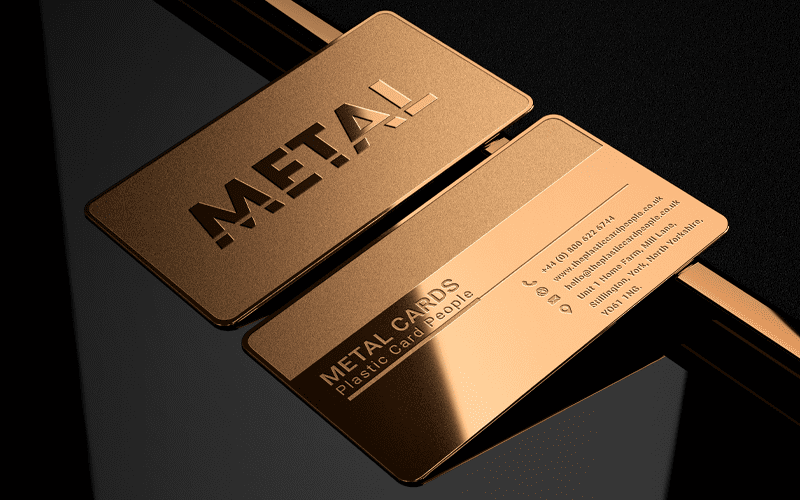
Unsurprisingly, the industries embracing premium card materials tend to be ones where first impressions carry outsized weight. Real estate agents, financial advisors, luxury service providers, and executive consultants have been early adopters, using distinctive cards as an extension of a broader premium brand experience. But the trend isn’t limited to high-end industries. Startup founders and creative professionals have also gravitated toward unique card materials as a way to differentiate themselves in crowded, fast-moving markets where a generic card simply doesn’t cut through.
Trade shows and conferences, in particular, have become a proving ground for this shift. Attendees walk away with handfuls of cards, and most end up in a drawer or the trash within days. A card that feels different, whether through material, weight, or finish, has a meaningfully better chance of being kept, remembered, and eventually acted on.
Cost vs. Impact: Is the Upgrade Worth It
The obvious question for any business owner considering this shift is whether the added cost is justified. Premium cards do cost more per unit than standard paper stock, sometimes significantly more. But the calculation isn’t really about cost per card. It’s about cost per meaningful connection.
If a stack of a hundred paper cards results in a handful of follow-up conversations, while a smaller batch of premium cards results in a proportionally higher response rate simply because people remember and hold onto them, the math starts to favor the upgrade. For professionals who rely heavily on referrals, repeat business, or high-value client relationships, even a modest improvement in memorability can translate into real business outcomes.
It’s also worth noting that premium cards tend to have a longer shelf life than their paper counterparts. They don’t bend, tear, or fade the way paper does after sitting in a wallet for a few months. That durability means the investment keeps working long after the initial handoff.
A Small Detail With Outsized Return
The comeback of the physical business card isn’t really about nostalgia. It’s a rational response to digital fatigue and a recognition that, in an increasingly screen-based professional world, tactile objects still carry weight, both literally and figuratively. For businesses and professionals looking to make a stronger first impression, the humble card is proving to be a surprisingly high-leverage place to invest.
As with most branding decisions, the goal isn’t to chase a trend for its own sake but to think honestly about what your card currently communicates, and whether it’s doing your business justice.